Listeners:
Top listeners:
-
 play_arrow
Unity Gospel Radio SPREADING THE GOSPEL WORLDWIDE
Richard Smallwood: The Classical Genius Who Redefined Gospel Music for Generations
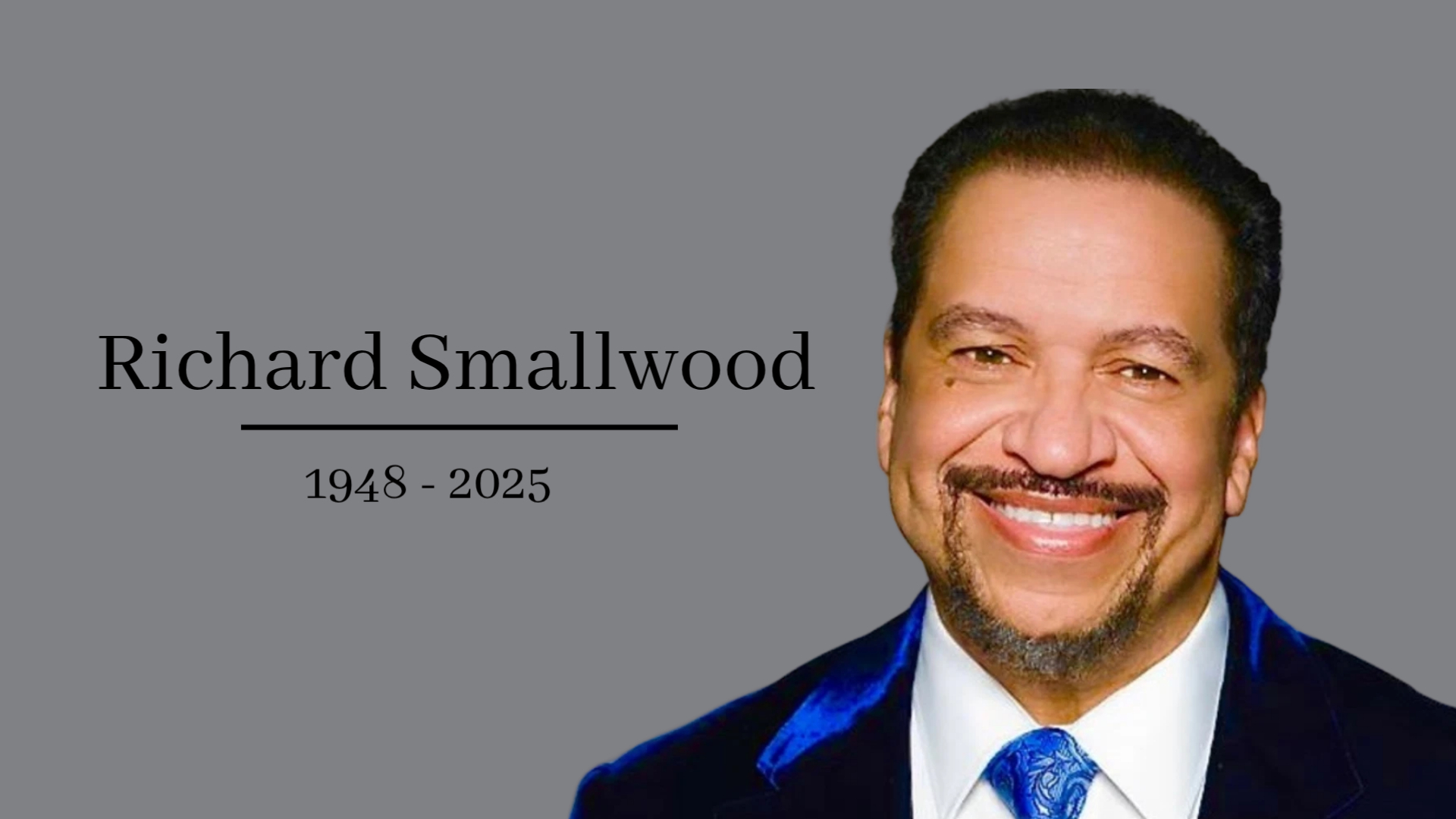
Richard Smallwood’s name is etched into the very foundation of modern gospel music. A composer, pianist, arranger, and worship leader of unmatched brilliance, Smallwood blended classical sophistication with the soul of the Black church to create a sound that shaped worship across the world. His passing at age 77 on December 30, 2025, marked the end of an era — but his music continues to echo in sanctuaries, concert halls, and hearts everywhere.

 Early Life: A Child Marked by Music
Born November 30, 1948, in Atlanta and raised in Washington, D.C., Richard Smallwood was immersed in church life from infancy. His mother often called him a “humming baby,” because even in his crib he responded to music instinctively.
- Began playing piano by ear at age 5
- Formed his first gospel group at age 11
- Studied under Roberta Flack in junior high school before her rise to fame
His stepfather, Rev. Chester Smallwood, pastored Union Temple Baptist Church, giving Richard a spiritual and musical environment that nurtured his gift from the beginning.
 Howard University: The Birthplace of a Legend
Smallwood’s musical excellence was refined at Howard University, where he graduated cum laude with dual degrees in classical vocal performance and piano. He later earned a master’s degree in ethnomusicology and a Master of Divinity in 2004.
At Howard, he:
- Became a founding member of the university’s first gospel choir
- Joined The Celestials, the first gospel group to perform at the Montreux Jazz Festival in Switzerland
- Studied alongside future icons like Donny Hathaway
This classical training would become the signature ingredient in his groundbreaking gospel compositions.
 A Career That Transformed Gospel Music
Richard Smallwood launched his professional career in 1977 with the formation of The Richard Smallwood Singers, whose debut album in 1982 spent 87 weeks on Billboard’s Spiritual chart.
He later formed Vision in 1995, producing some of the most beloved worship songs of the modern era.
His Most Iconic Songs Include:
- “Total Praise” — a global worship standard covered by Destiny’s Child
- “I Love the Lord” — famously performed by Whitney Houston in The Preacher’s Wife
- “Center of My Joy” — co-written with Bill & Gloria Gaither
- “Anthem of Praise”
- “I’ll Trust You”
His compositions have been performed by artists such as Yolanda Adams, Karen Clark‑Sheard, Boyz II Men, Stevie Wonder, and Aretha Franklin.
 Awards, Honors & Global Impact
Smallwood’s influence extended far beyond the church:
- Eight Grammy nominations across his career
- Multiple Dove Awards and Stellar Awards
- Inducted into the Gospel Music Hall of Fame in 2006
- Performed for three U.S. Presidents — Nixon, Reagan, and Clinton
- One of the few gospel artists to tour the Soviet Union
His music became a bridge between classical composition, traditional gospel, and contemporary worship — a fusion few have ever matched.
 A Transparent Life: Faith, Struggle, and Healing
In 2019, Smallwood released his autobiography Total Praise, where he courageously opened up about his lifelong battle with depression — a revelation that helped countless readers find healing and hope.
He once said:
“If I can use what I’ve been through to help people, then that’s what it’s about.”
This vulnerability only deepened the respect and love the gospel community held for him.
 Final Years and Passing
Richard Smallwood passed away on December 30, 2025, from complications of kidney failure at a rehabilitation center in Maryland. He had also been living with mild dementia and other health challenges in his later years.
Tributes poured in from across the world. Chaka Khan wrote:
“His music didn’t just inspire me. It transformed me.”
 A Legacy That Will Never Fade
Richard Smallwood’s music is more than melody — it is theology, worship, and healing wrapped in harmony. His compositions continue to be sung in churches every Sunday, at graduations, funerals, weddings, and global worship gatherings.
He leaves behind a legacy defined by:
- Excellence
- Integrity
- Innovation
- Unshakeable faith
Richard Smallwood didn’t just write songs.
He wrote the soundtrack of worship for generations.


-
The Urban Alternative
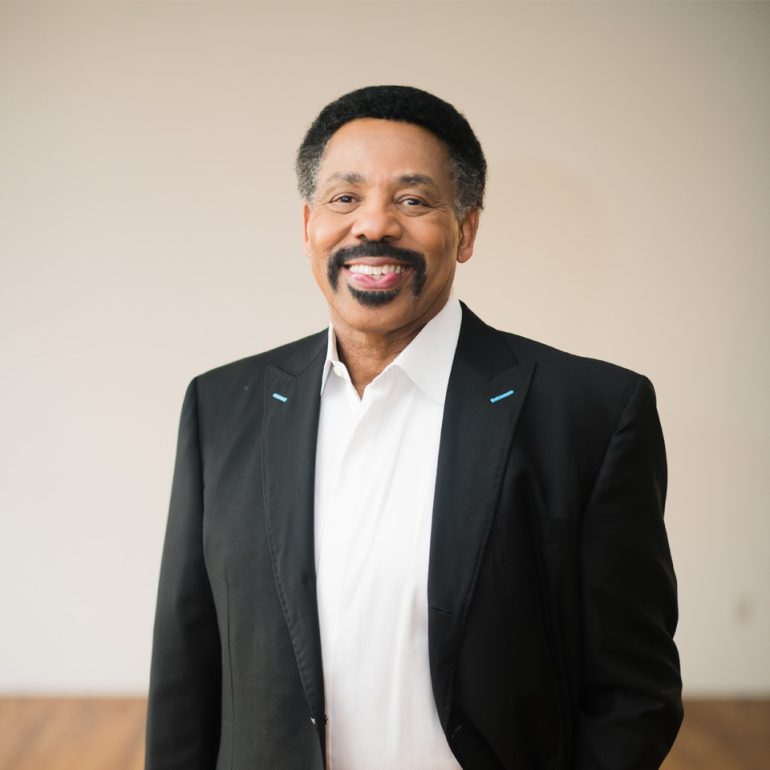
Presented by Dr. Tony Evans
Anthony Tyrone Evans Sr. is an American evangelical pastor, speaker, and author. From 1976 to 2024, Evans served as senior pastor at Oak Cliff Bible Fellowship in Dallas, Texas. Evans' evangelist show airs on various radio stations across the United States on the Christian Satellite Network.
close Top popular
Unity Gospel Radio Celebrates Gospel Icon Joan Flemmings with the Launch of Her Landmark Album “Yahweh”

Kevin Downswell collaborates with Gilead on “Midnight to Victory”

CeCe Winans, DOE among Christian artists to win big at 2025 Grammy Awards

Hour of Power with Pastor Mike Jr.

Richie Stephens Celebrates Successful Run with New Single “Praise the Lord”
Chart
-

1
play_arrowFill This Room
-
play_arrow
Fill This Room Trevelle Clarke-Whyne/Johnmark Wiggan
-
-
-
 play_arrow
Captured My Heart (Radio Edit) Shurnelle Spencer
-
-
-
 play_arrow
High Praises Gabrielle Denae
-
-